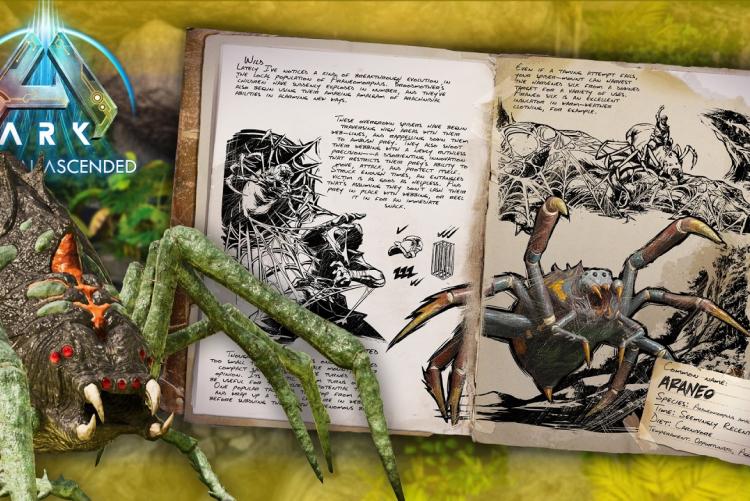
The Araneo Dossier by Wildcard
Last Friday, the first creature funded by the Extra Life charity event TLC (Tender Loving Care) received its final presentation. The Araneo (Araneomorphus amalgotantibus) receives a comprehensive rework. The creature no longer operates primarily at ground level. The mutated arachnids secure strategically elevated positions. They utilize web lines for vertical locomotion and initiate precision ambush attacks.
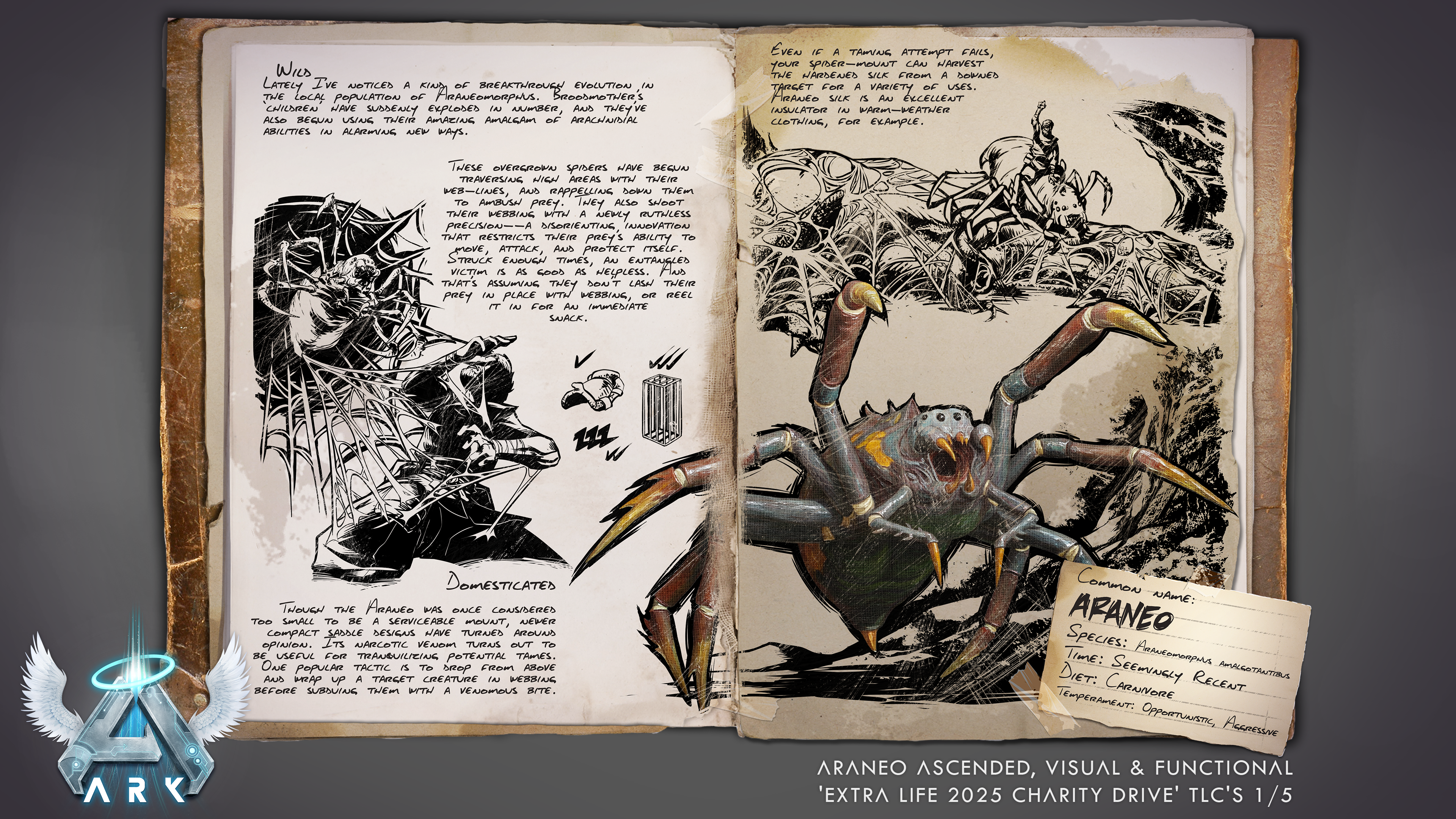
- Official Data: Araneomorphus amalgotantibus
- Time: Apparently recent
- Diet: Carnivore
- Temperament: Opportunistic, Aggressive
The local Araneomorphus population registers a breakthrough. The reproduction rate of the Broodmother offspring increased significantly. The creatures utilize their arachnid capabilities in new, offensive patterns. They traverse high structures via web line and rappel down. Their web attacks exhibit new precision. This modification severely restricts the movement, attack, and defense capacity of the target. A multiply hit, entangled target object is unmaneuverable.
The Araneo previously classified as a useless mount. New, compact saddle prototypes aim to correct this. The spider's narcotic venom serves as an efficient tool for taming processes. Primary attack tactic: drop from elevation, immobilization via webs, subsequent tranquilization via venom bite. Upon failed taming, the mount extracts hardened silk from the target object. This silk functions as a high-performance insulator for equipment in warm biomes.
https://ark.wiki.gg/wiki/Araneo (currently contains the currently valid data)
Paleontological Data: Prehistoric Spiders
The existence of rideable giant spiders is an exclusive simulation of the ARK environment. In the terrestrial biosphere, arachnids never reached this scale.
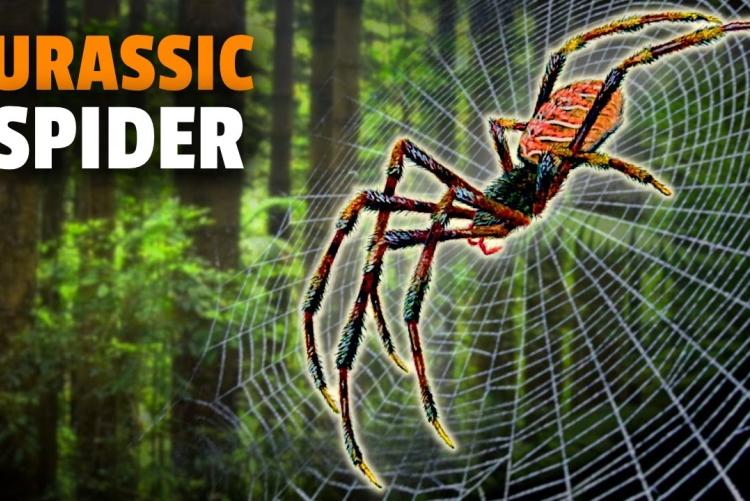
The largest verified fossil true spider is Mongolarachne jurassica from the Middle Jurassic (164 million years ago, China). Body length measured 24.6 mm, leg span approximately 56.5 mm. This corresponds to the dimensions of recent golden orb-weavers.
A historical classification error involves Megarachne servinei (Permo-Carboniferous, 300 million years ago, Argentina). The fossil exhibited an estimated length of 54 cm and classified as the largest spider in Earth's history. Modern X-ray analyses corrected the dataset: the specimen was not a spider, but an aquatic sea scorpion (eurypterid).
The physical limiting factor for the size growth of terrestrial arachnids is the respiratory system. Book lungs and tracheae cannot maintain tissue oxygen supply with a massive, heavy exoskeleton. Even during the Carboniferous period, when atmospheric oxygen peaks enabled the growth of giant insects like the dragonfly Meganeura, the anatomical parameters of true spiders remained limited to the millimeter to centimeter range.